Just because something is common does not mean it is healthy or that you have to live with it. Obesity in the United States is just one case in point. Two more examples are malocclusion and tooth wear.
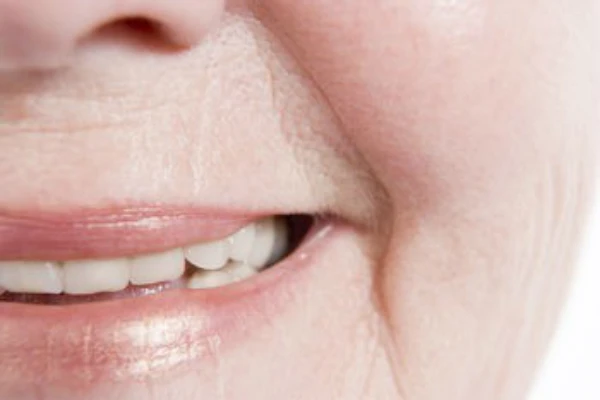
More commonly referred to as an improper bite, malocclusion is a misalignment or incorrect placement of teeth on the upper and lower jaws. Excessive tooth wear, meanwhile, refers to the progressive loss of tooth substance; the proper name for this issue is enamel attrition.

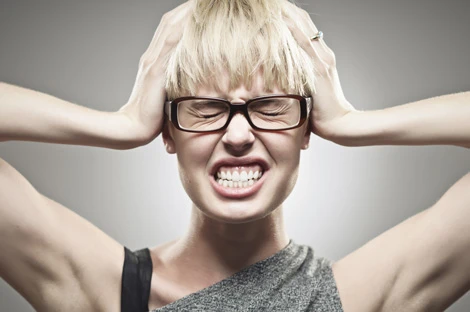
Unfortunately, tooth wear and malocclusion are very common in the U.S. Millions of adults nationwide have some level of enamel attrition and poor bite. The majority of them also suffer from headaches, receding gums, tooth chipping or loss, TMJ pain, ear-related pain or ringing, or eye socket pain.
An increasing number of people are dealing with the advanced loss of tooth substance due to wearing them down. Tooth wear can have multiple causes, including grinding and clenching.
Absolutely! Contrary to popular belief, your teeth do not have to wear as you get older and gum recession need not be something that you wake up to every day. Your teeth can look youthful and healthy at any age, whether you are 18 or 88.
Your jaw does not have to feel uncomfortable either; if your jaw pops or clicks, there are dental procedures available to remedy the issue. Headaches can also be alleviated with the help of a dentist.
Now that you know common issues like malocclusion and tooth wear are treatable, we are happy to do so for you. The process begins by diagnosing the issue and then forming the best dental plan for your unique case.
We are achieving amazing results! Book your free consultation with our friendly team today at 713-590-9777 to learn more about improving the look and health of your teeth.