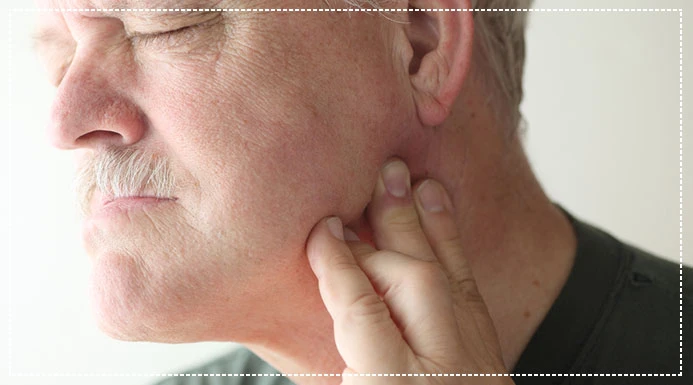
Ringing in the ears, medically known as tinnitus, can be an annoying and sometimes debilitating condition. While it is commonly associated with hearing loss, its potential connection to dental issues is less well-known. This blog explores whether ringing in the ears could be related to dental problems, particularly focusing on conditions like Temporomandibular Joint Disorders (TMD).
Understanding Tinnitus and Its Causes
Tinnitus is characterized by hearing sounds that aren’t externally present, such as ringing, buzzing, or humming. These sounds can vary in pitch and intensity, and they may be constant or intermittent. While hearing loss is a common cause, other factors can contribute to tinnitus, including ear infections, exposure to loud noises, and even certain medications.
The Link Between Tinnitus and Dental Health
One of the lesser-known causes of tinnitus is TMD, which affects the muscles and joints that control jaw movement. TMD can lead to inflammation and pain in the jaw joints, and it’s been associated with symptoms like headaches, cheekbone pain, and even changes in bite. The proximity of the jaw joint to the ear means that inflammation can affect ear function, potentially leading to tinnitus.
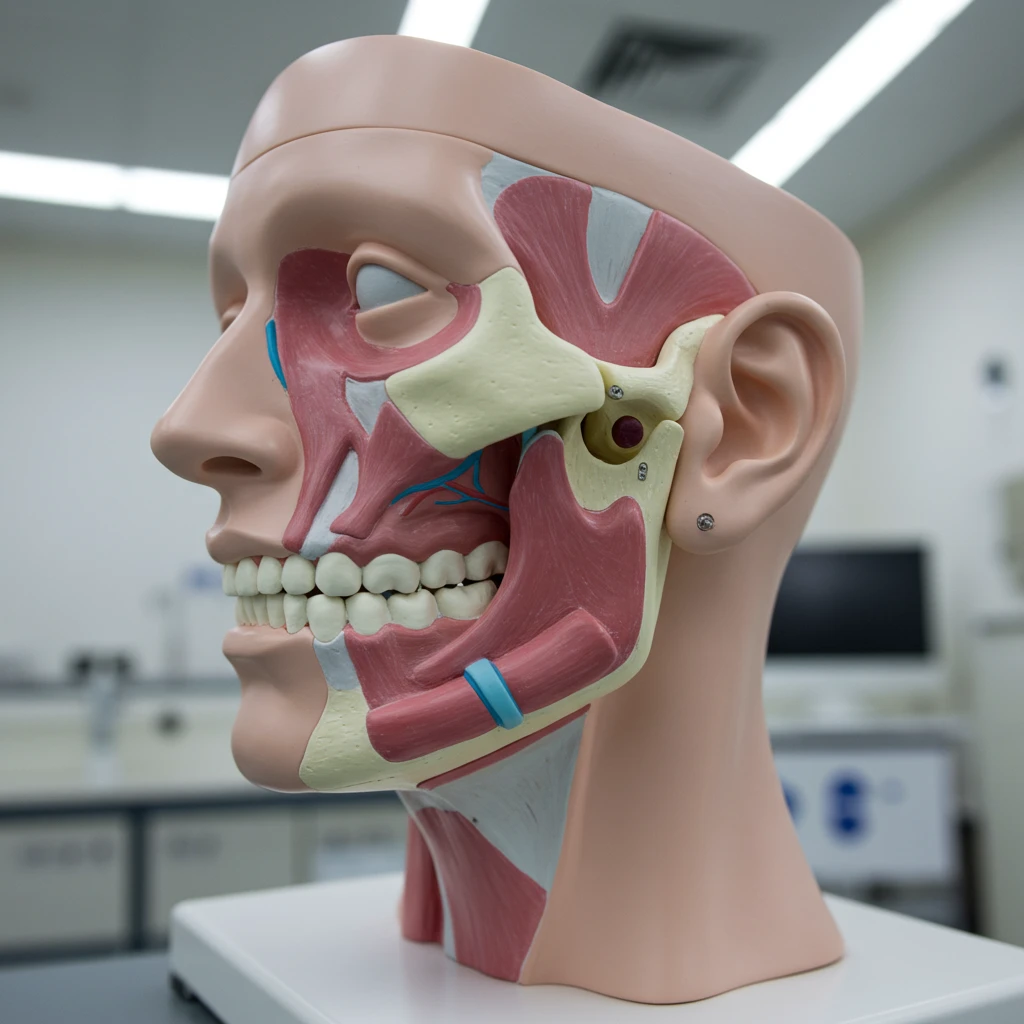
Signs of TMD include:
- Limited jaw movement
- Jaw pain or discomfort
- Clicking or popping sounds when moving the jaw
- Headaches and facial pain
- Ringing in the ears
These symptoms can often be mistaken for other disorders, but their presence, especially in combination, suggests a possible link to TMD.
Diagnosis and Treatment
Diagnosing TMD involves a thorough examination by a healthcare professional, often including dental assessments. Imaging tests like X-rays or MRIs may be used to get a clear view of the jaw joints. Treatment varies based on the severity of the condition and can range from lifestyle changes and physical therapy to dental appliances or surgery.
For those experiencing tinnitus linked to TMD, addressing the underlying dental issues often alleviates the ear-related symptoms. This might include using mouthguards to prevent teeth grinding, performing exercises to strengthen jaw muscles, or undergoing corrective dental procedures.
Prevention and Management
Maintaining good dental hygiene and regular dental check-ups can prevent many issues associated with TMD. Avoiding excessive stress on the jaw, such as chewing gum or biting hard objects, also reduces risk. For ongoing tinnitus, sound therapy and counseling may help manage symptoms while dental issues are being addressed.

In summary, while tinnitus is multifaceted in its origins, there is a significant link between dental health and ear health, particularly with TMD. Understanding this connection can lead to more effective treatments and improved quality of life for those affected.