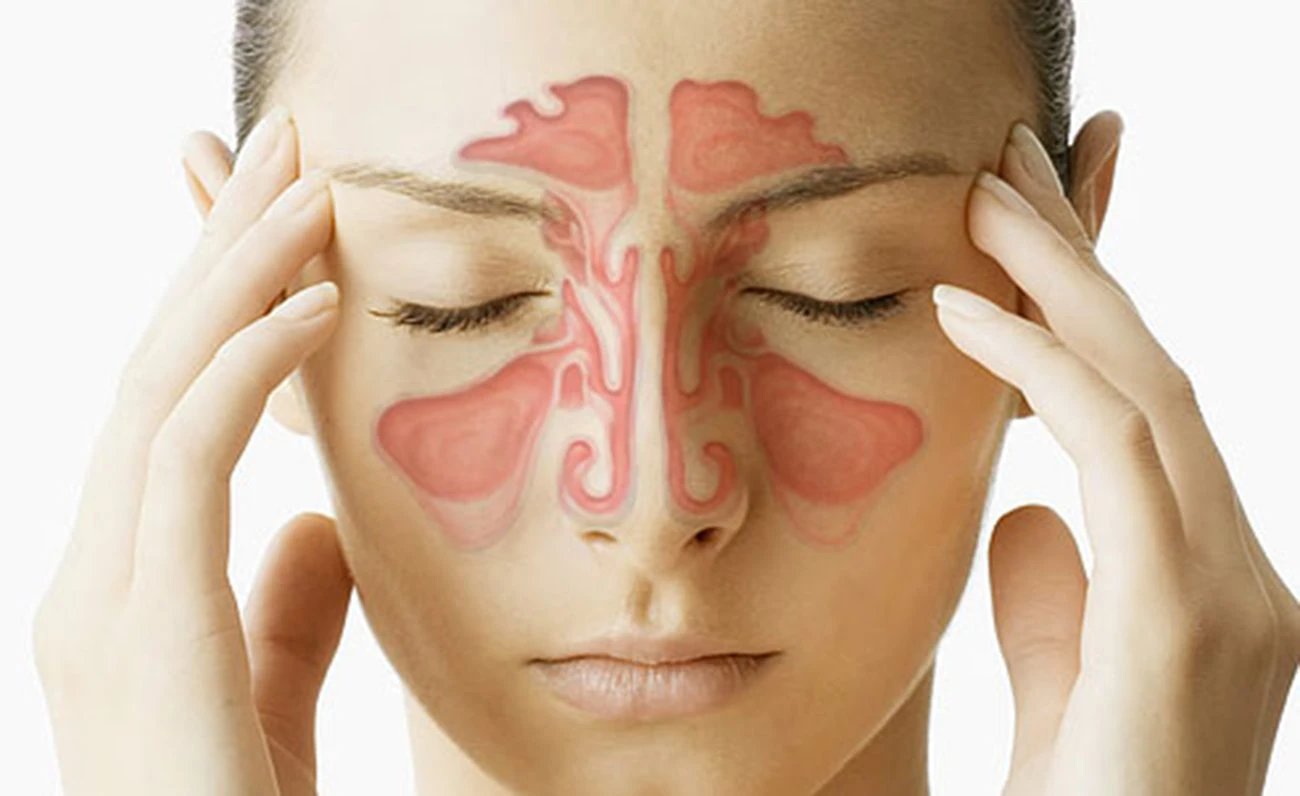
One type of sleep disordered breathing is obstructive sleep apnea or OSA. With OSA, the patient experiences a recurring temporary, partial, or total obstruction of the airway during sleep. This medical syndrome is fairly common; essentially, air is blocked from traveling through the nose and mouth, even though the body still tries to breathe. Both the muscles and soft tissue at the back of the sufferer’s throat fall into the airway, with the tongue sinking to the back of the throat, tightening the lockage and keeping oxygen from reaching the lungs.
As the airway obstruction occurs while asleep, most sufferers only learn of the problem when someone else lets them know about it. Loud snoring is a common symptom, as is the cessation of breathing while asleep. There are other signs too, such as morning headaches, sleepiness during the day, and being suddenly awakened by choking or gasping for air.

Meeting with a doctor who is specially trained in sleep medicine is typically the best first step in reaching a solution for the obstructive airway issue. Sleep specialists can admit you into a polysomnography, which is a sleep study that records brain and body activity to diagnose sleep problems. Based on the results, this professional can recommend the best plan for you.
If jaw alignment is contributing to the OSA, a dental structure specially fit to your mouth can be beneficial. It not only supports the jaw but also aids in treating obstructive sleep apnea, without the need for surgery. The device helps keep the upper airway open during sleep by advancing the tongue and/or pushing the lower jaw forward.
A frequent cause of obstructive sleep apnea is a jaw joint issue called TMJ disorder. The sleep issue can be due to improper positioning of the temporomandibular joint (TMJ) that results in jaw joint pain and discomfort in the surrounding muscles.
As the jaw joint is not in the proper position, the mouth is forced to move a little. This small movement constricts the throat and upper airway.
At Dental Wellness Group, we offer multiple methods of treating obstructive sleep apnea, with the best one determined on a case by case basis. One possible solution is the creation of a customized oral device or splint to be worn while sleeping to help open the upper airway. In many mild to moderate cases, we suggest this non-surgical treatment to patients. The patient only wears it at nighttime.
Alternatively, if you do not want to wear an oral splint, a surgical treatment for an obstructive airway is available. The treatment is complicated and takes longer, but the results are long-lasting.
For more information on obstructive sleep apnea and to find out if your condition relates to TMJ disorder, call our friendly team today. We can schedule a free consultation to help determine what obstructive sleep apnea treatment is available to you if the cause is dental-related.