CBCT scanning, which stands for dental cone beam computed tomography, is an x-ray machine that gives dentists a 3D view of the teeth and facial skeleton. So, how exactly does this Houston 3D dental imaging tool work and why is it important?
Dental Cone Beam CT (CBCT) Vs. Regular X-Rays
CBCT Scanning is more detailed than a regular dental or facial x-ray. While an ordinary x-ray is 2-dimensional or flat, a dental cone beam CT is 3-dimentional. When it comes to showing the volume of the teeth, jaw, and other facial features, CBCT does so well with its accurate, detailed imaging of how the structures look in real life.
What to Expect with a CBCT Scaning?
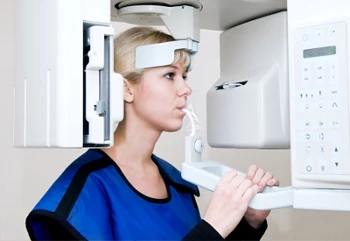
A dental cone beam CT scan is simple and easy to perform, with the full-mouth x-ray itself taking under a minute. The quick process means that the patient is exposed to radiation for a much shorter timespan than when traditional bitewing x-rays are taken instead.
At the start of the CBCT method, the patient sits in the exam chair so that the targeted area is centered in the beam. The Cone Beam Imaging System, which is the scanner’s main feature, takes hundreds of pictures in the face within only about 40 seconds. These photos are then used to create a precise 3D image of the facial inner workings and jaw.
Using 3D Dental Imaging in Houston
Several applications of cone beam CT scans exist in the dentistry field. The Houston 3D dental imaging is useful for:
- Gathering data on tooth positioning
- Assessing the teeth and jaw, including determining jaw tremors
- Surveying the sinuses, nasal fossa, and nerve canals
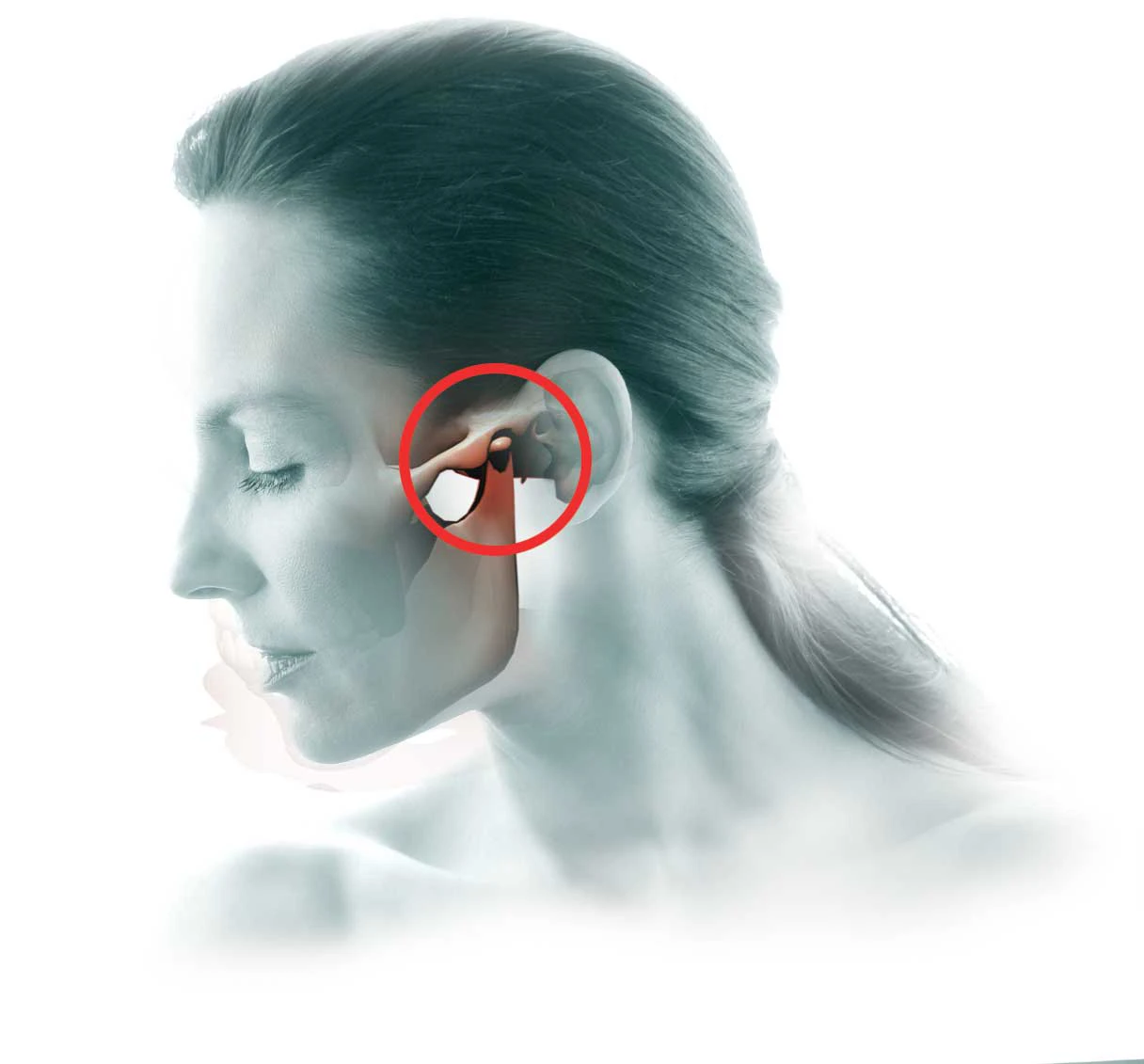
- The diagnosis of temporomandibular joint disorder or TMD
- Analyzing bone structure
- Investigating the airway
- Determining the pain source or cause
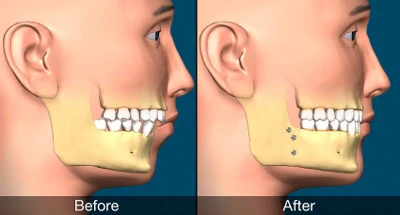
- Planning surgery related to affected teeth
- Cephalometric analysis or planning orthodontic treatments
- Carrying out reconstructive procedures
- Proper assignment of dental implants
Benefits of CBCT Scans
This type of advanced medical technology is beneficial as it enables the analysis of bone density, bone structure, nerves, tissues, and parts of the face from various angles. With the conventional dental x-ray, such a detailed examination would not be possible. Also, the scan is pain-free, noninvasive, and fast.
CBCT scanning can also view cross-sectional “slices” of the jaw, which simplifies and speeds up treatment planning. Another advantage of Houston 3D dental imaging is that the tool reduces costs for patients who require dental treatment, shortens the treatment time, and improves the results after dental surgery.
Contact us today to learn more about dental CBCT scans or Houston 3D imaging. If the specific needs of your case require a cone beam CT scan, we are happy to guide you through the process.